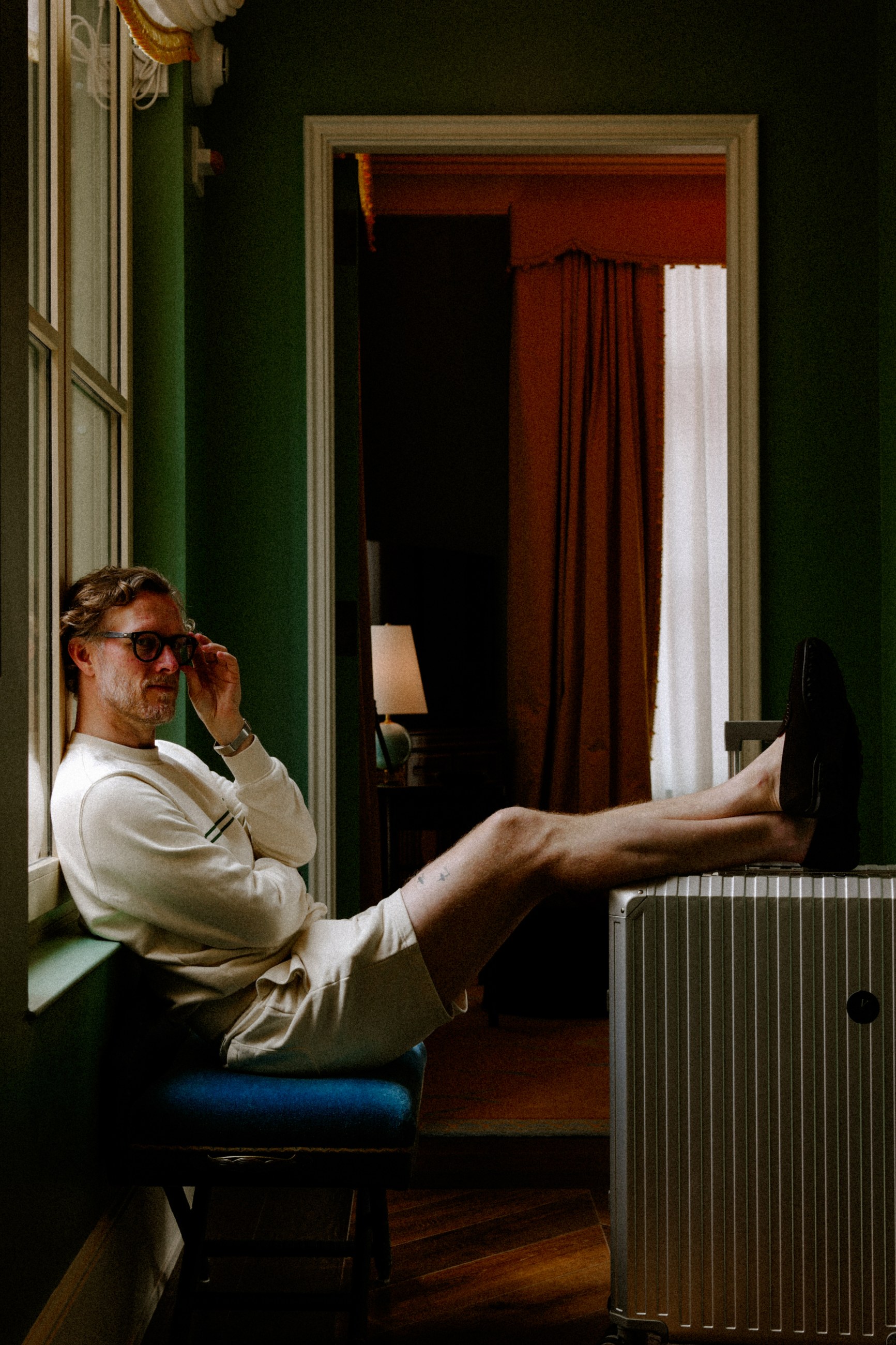
The building gives nothing away. McKim, Mead & White drew it in 1907 as a bank, an Italian palazzo of brick and limestone on the corner of Fifth Avenue and 28th Street, and from the pavement it still behaves like one. Decadent in its proportions, restrained in its manners, unwilling to shout. Then the door opens, and the restraint ends.
Inside, Martin Brudnizki has staged something close to a festival. Crystal chandeliers in jewel tones, tiger-stripe rugs, corridors that run pink, elevator lobbies lined in rose silk. Coco stopped at the wall of red velvet drapes that meets guests coming out of reception. She looked at it for longer than a wall usually deserves.
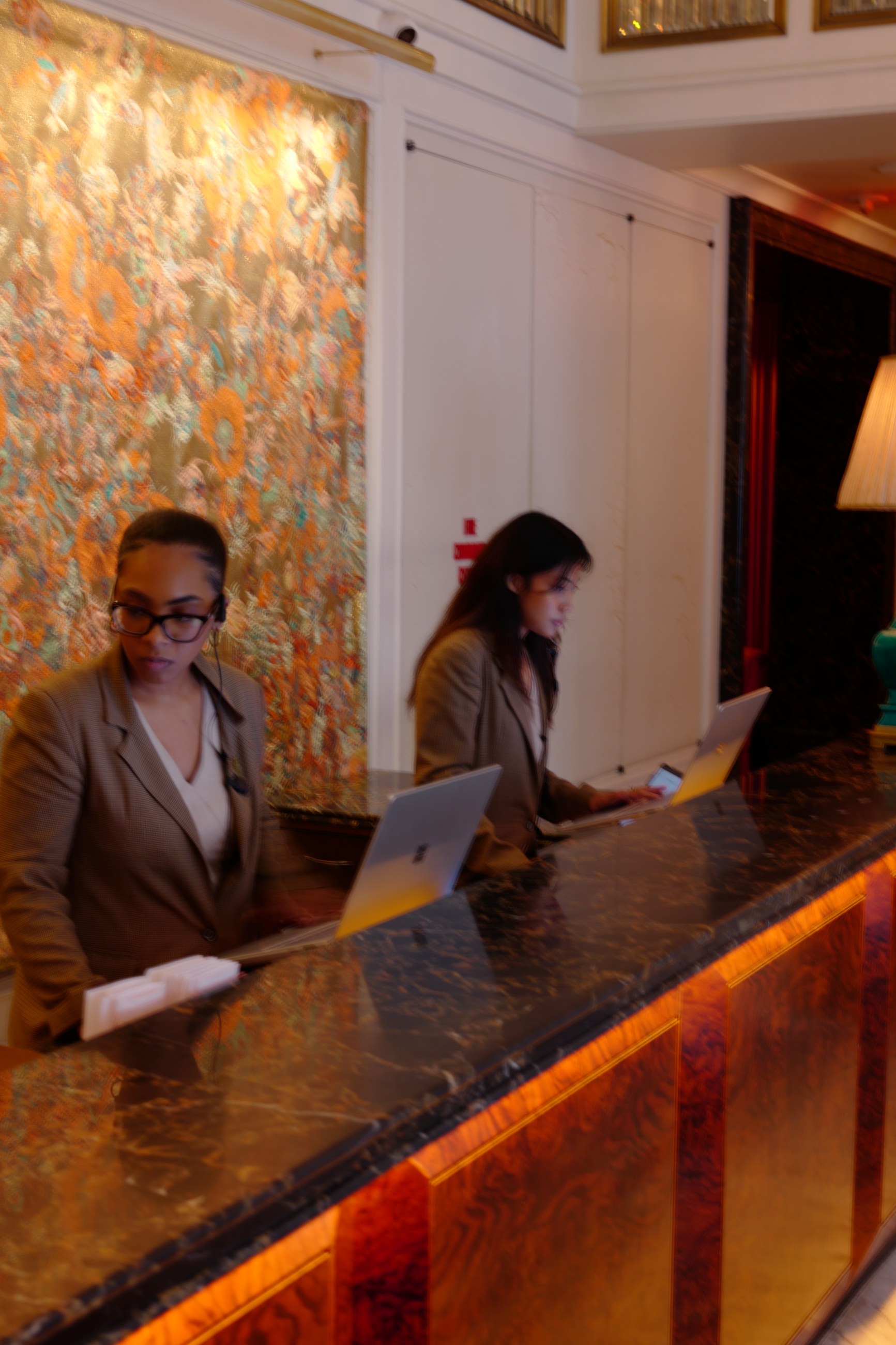
The first thing we noticed was not the décor. It was the women at check-in. They were talking to us, warmly and precisely, and at the same time they appeared to be talking to each other, at a volume so low the exchange was barely there. Rooms confirmed, someone alerted upstairs, a detail passed along, and none of it broke the surface of the conversation in front of them.
I asked, because I could not help it, whether they were trained to speak to the team like that while keeping the front under control. They confirmed it. This is something they are drilled in. It was the most discreet piece of choreography we have seen at a front desk anywhere, and it set the tone for everything that followed.
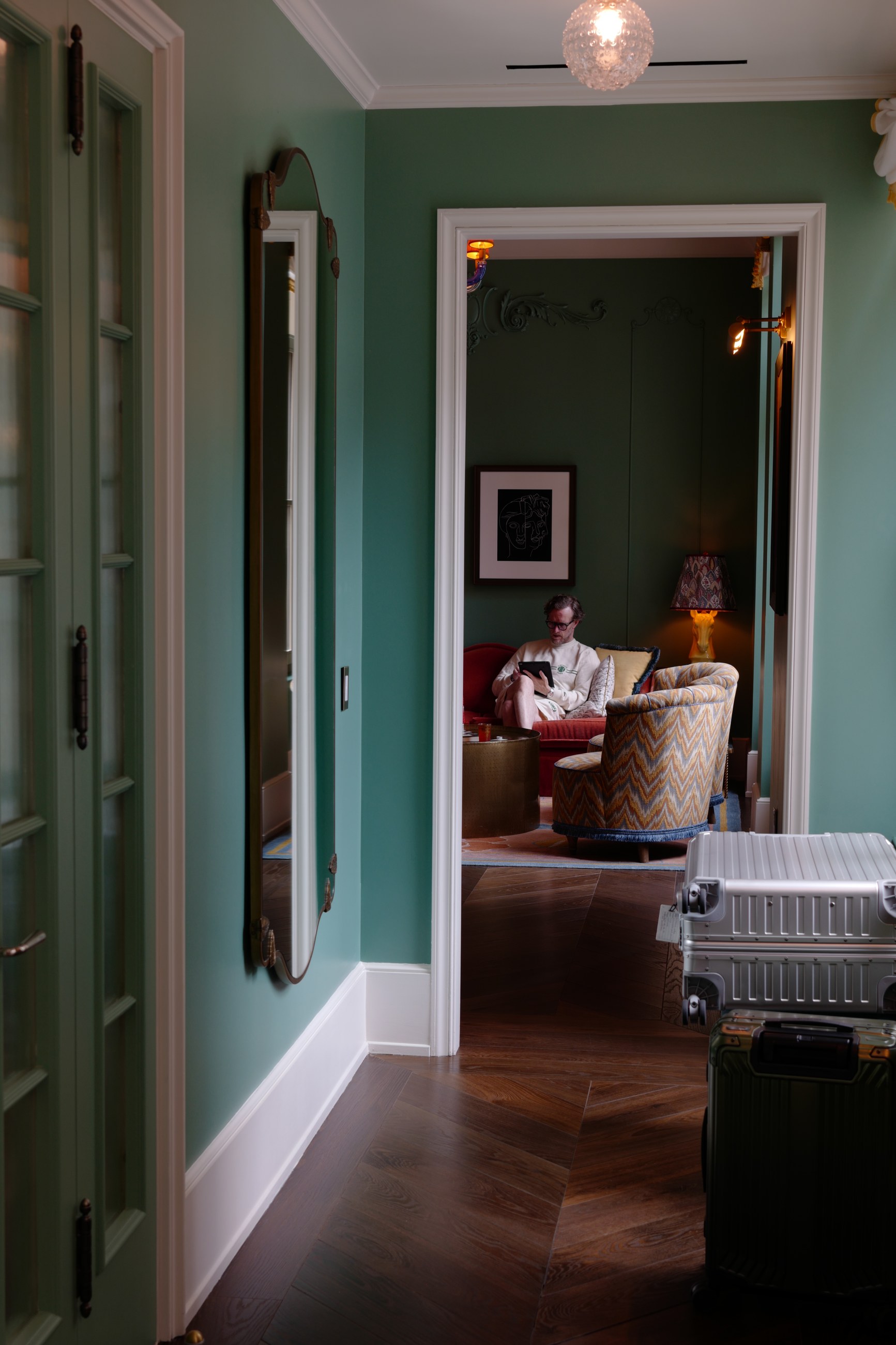
We stayed in the Fifth Avenue Suite, and the butler team met us at the door. It happened to be a training day. Among the seasoned faces were a few new ones, nervous and charming in equal measure, waiting for the tasks assigned to them once the guests arrived. Most hotels hide this. The Fifth Avenue let us watch it, and the effect was oddly moving: a house teaching its own standards in real time, and the recruits rising to them.
The suite did the rest. The colour, the drapes, and below the windows the classic, hectic New York life going on at full volume. Coco said, quietly, that she could see herself living here for a small period of her life. I did not answer. She took that as agreement, which is not the same thing.
A year here, writing the memoirs of a life one does not actually lead.
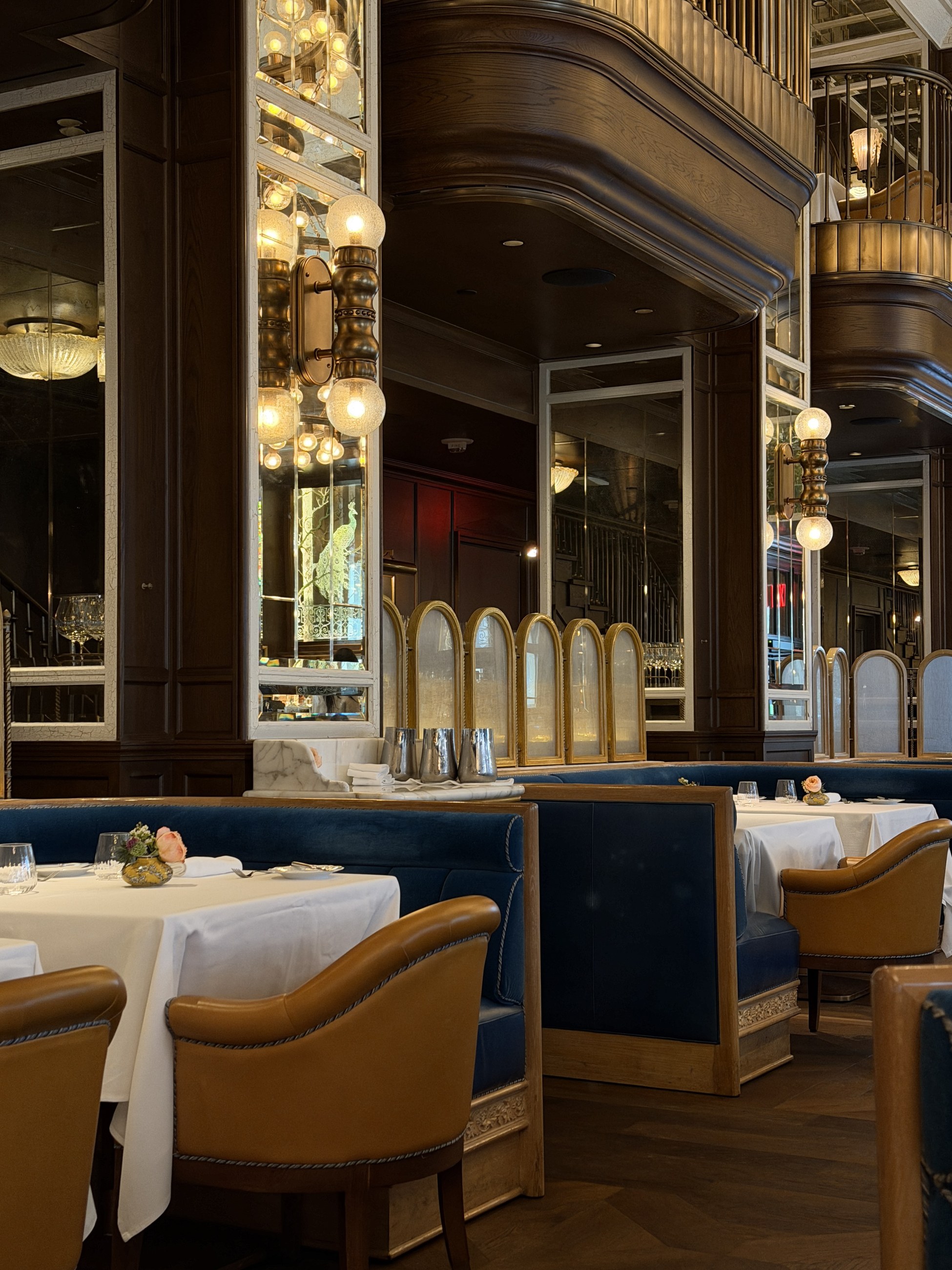
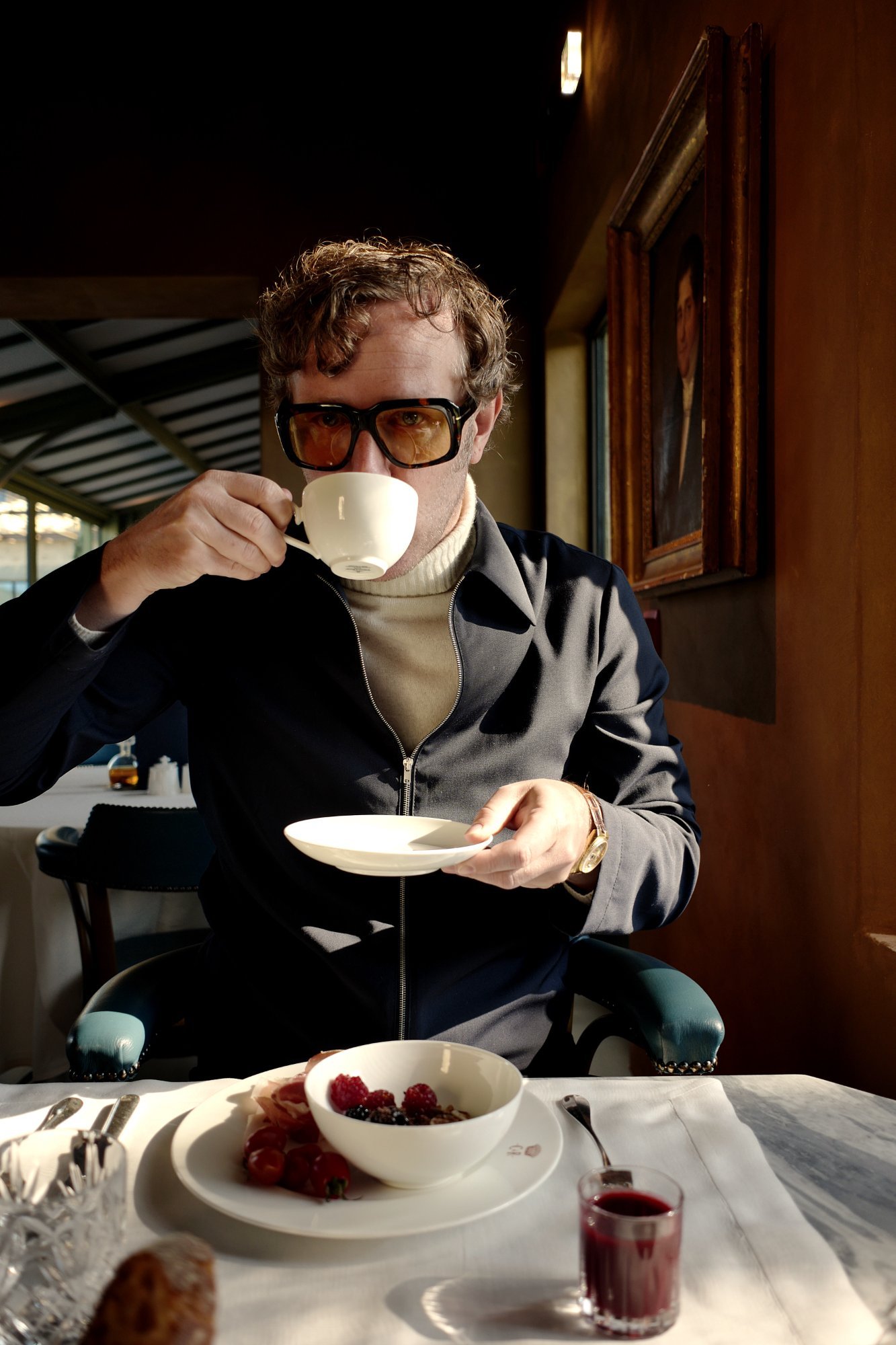
Dinner was at Café Carmellini, under a double-height ceiling with two trees growing through the room, blue velvet and mustard leather, Art Deco mirrors, a wine list that runs to 1,800 bottles. What the photographs miss are the balconies, built out over the dining room with a level of detail that rewards looking up between courses. Andrew Carmellini cooks between France and Italy, and the room has the confidence of a place New York builds once a generation.
The Portrait Bar is the opposite in scale. Intimate, wood-panelled, with a good deal of the hotel’s own art on the walls, faces from the owner’s collection watching the room. It is the kind of bar where the second drink is decided before the first is finished.
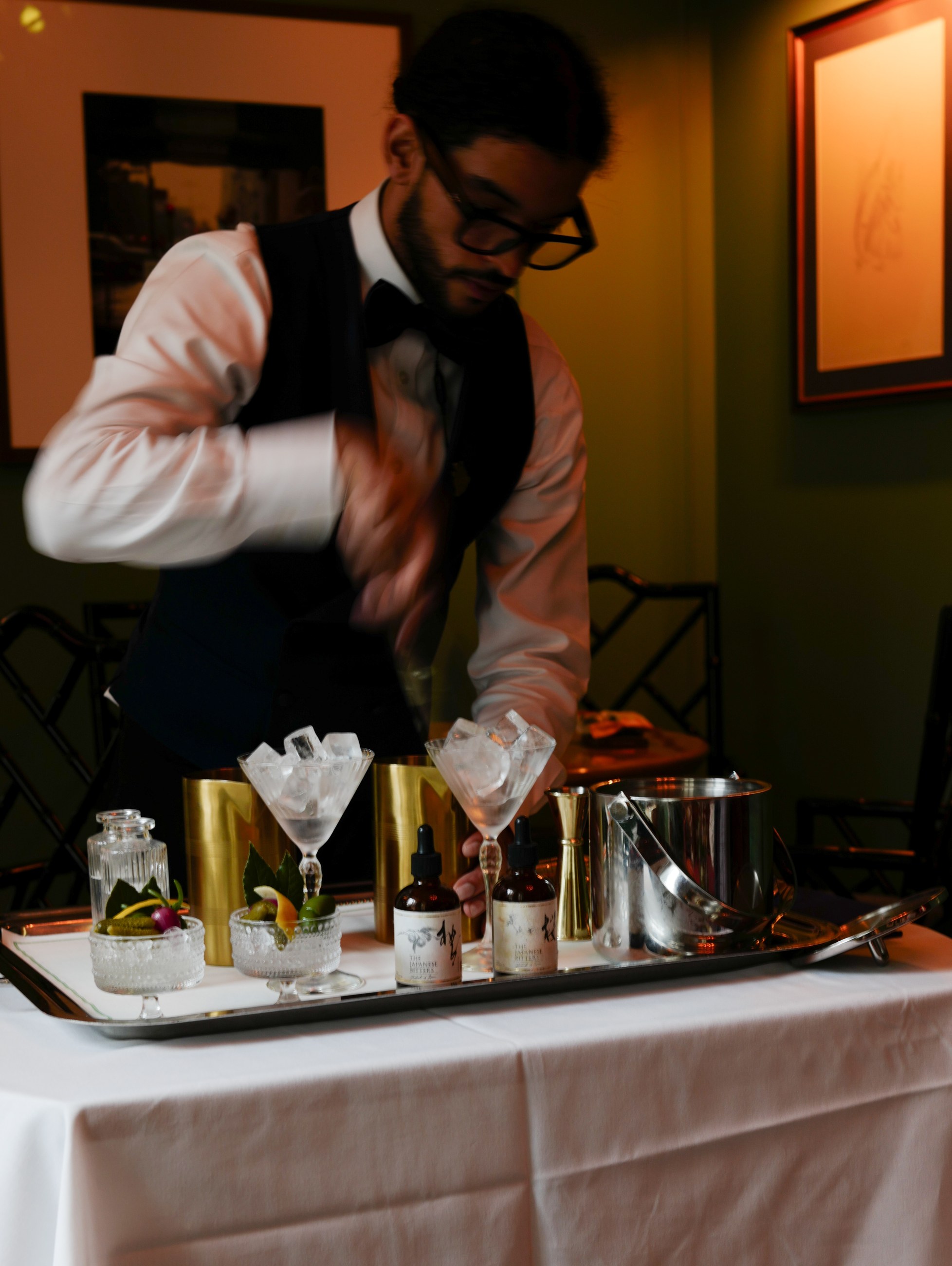
The finishing touch came upstairs. The suite offers something called the Martini Ritual: a seasoned bartender arrives at the door, sets up, puts a little jazz on the sound system and makes two martinis in the room. It does not get more New York than this.
Somewhere between the first sip and the second, an idea took hold. A year here, in this suite, writing the memoirs of a life one does not actually lead.
The thought was very much alive when we left. It still is.
— Mr. Kim
(the memoirs remain unwritten)