“Are we going to Antwerp?” Coco asked. “I would never have thought of it myself.”
Neither, if I am honest, would most people. Antwerp is the city that loses the weekend to London, Rome or Paris before anyone has opened a map.
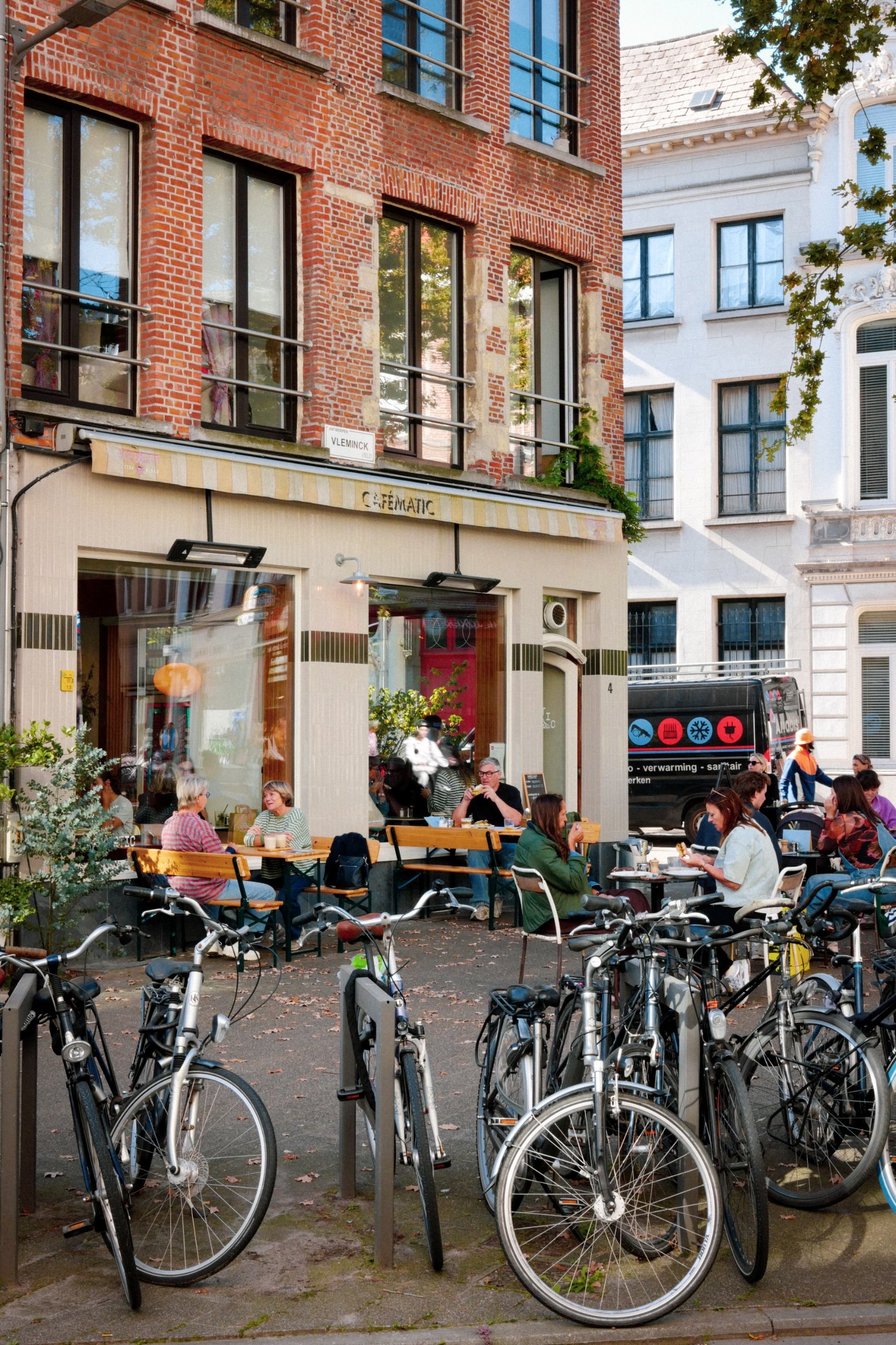
That is a pity, and also its advantage. It felt like a Paris in miniature: old and handsome, with new architecture that sits next to the old without raising its voice.
Fashion and design are everywhere, the food scene is having a moment, and all of it is within walking distance of where we were staying.

The first thing that struck us was the scale of Botanic Sanctuary, and how little it shows it. The 108 rooms and suites are spread across five historic buildings, joined by quiet corridors both above and below ground. Monks settled on this site in 1238 and founded a monastery and the St. Elisabeth hospital. The infirmary and chapel are fifteenth-century Gothic. The hotel welcomed its first guests in 2022.
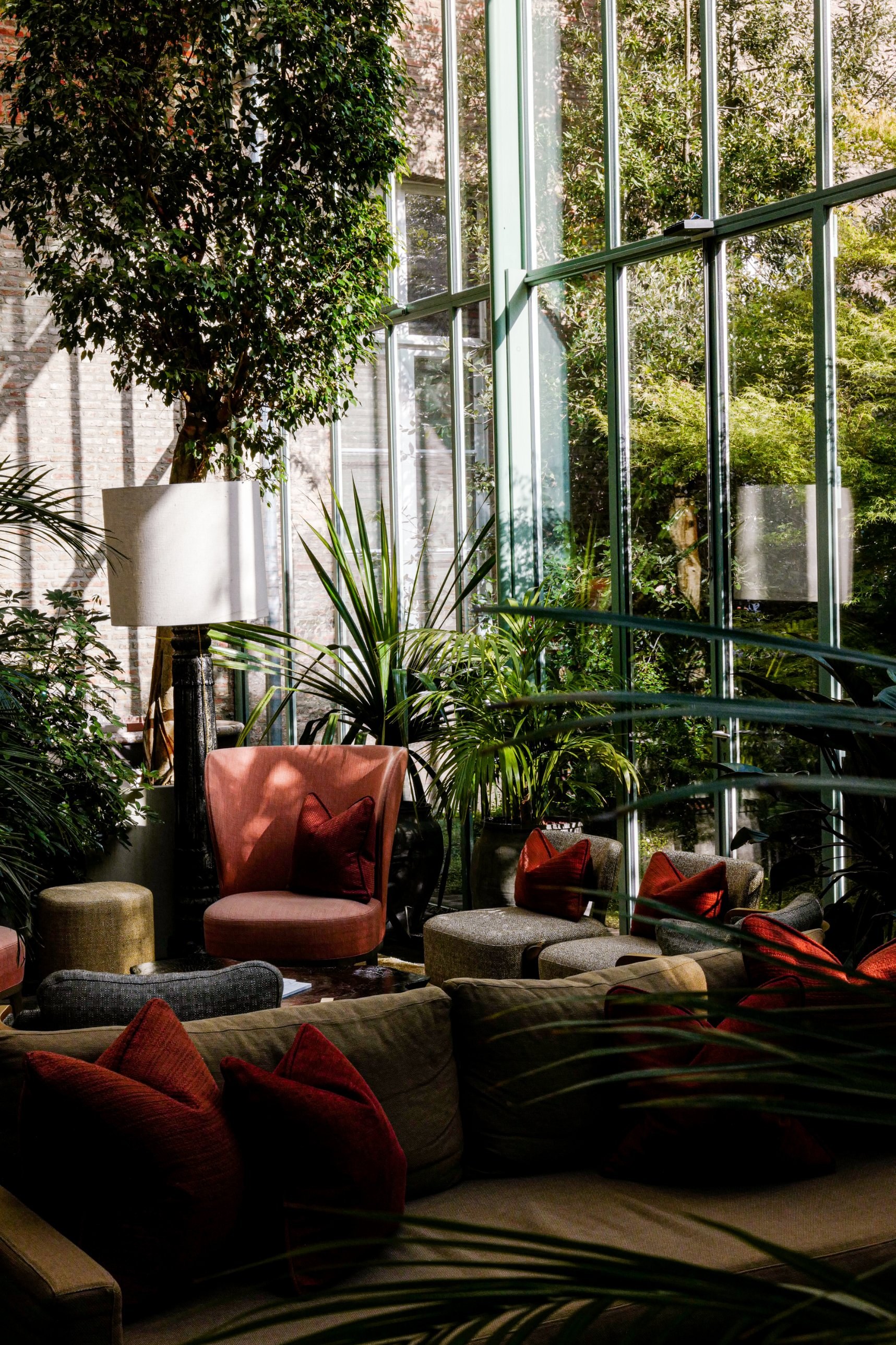
We checked in under a glass roof in a room so calm it seemed deliberate. The reception was not busy, or it did not appear to be, and we decided that was the point of the whole place: a sanctuary in the middle of the city, as the name promised.
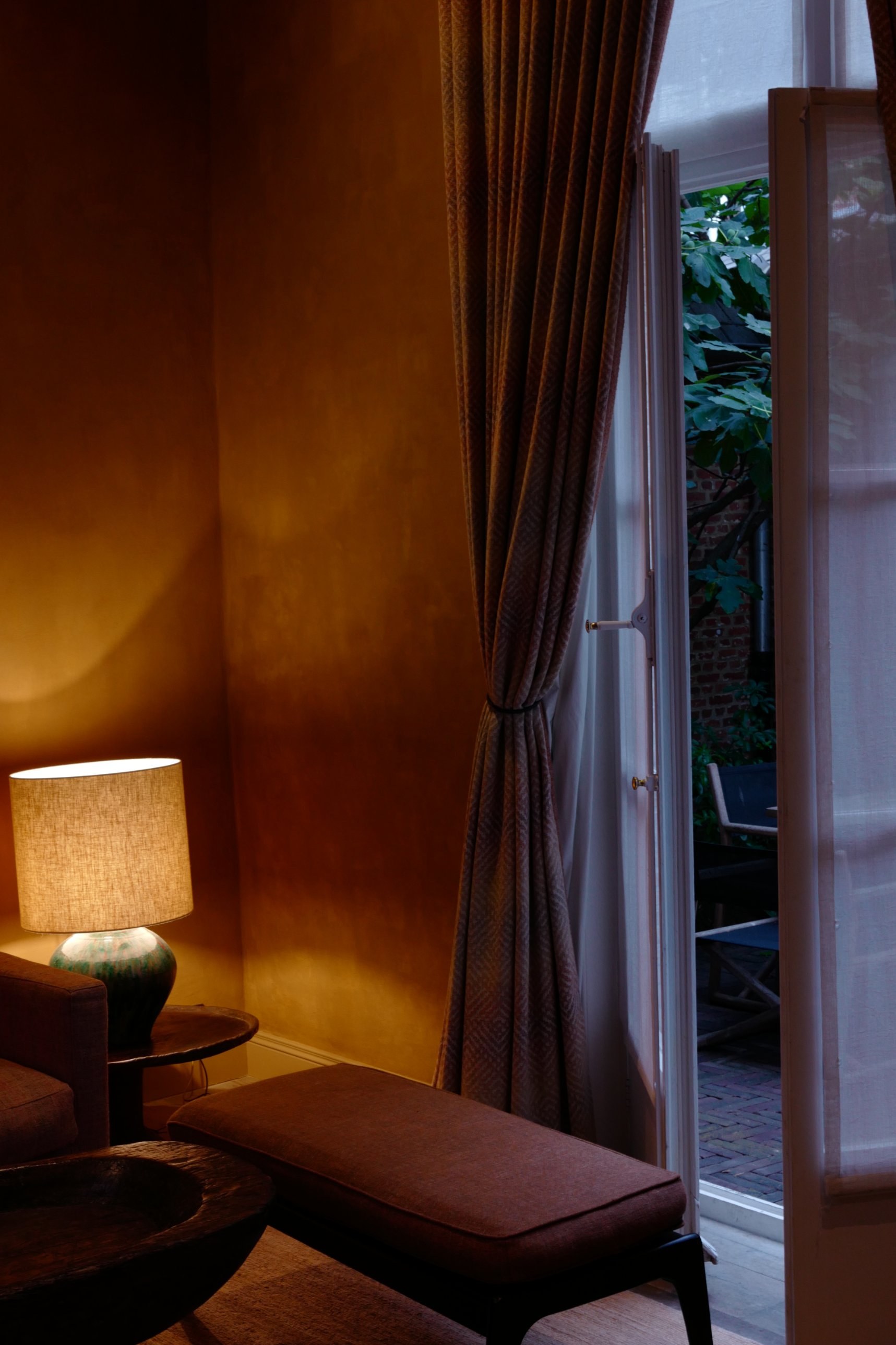
No two rooms are furnished alike, yet a thread runs through all of them. Each floor has its own colours, but the palette is earthy throughout, and the pulse drops a little further with every corridor.
Ours was a junior suite, if memory serves, with a small terrace between old brick walls. The ceiling was enormous, and the raw timber beams told us more about the age of the building than any plaque could.
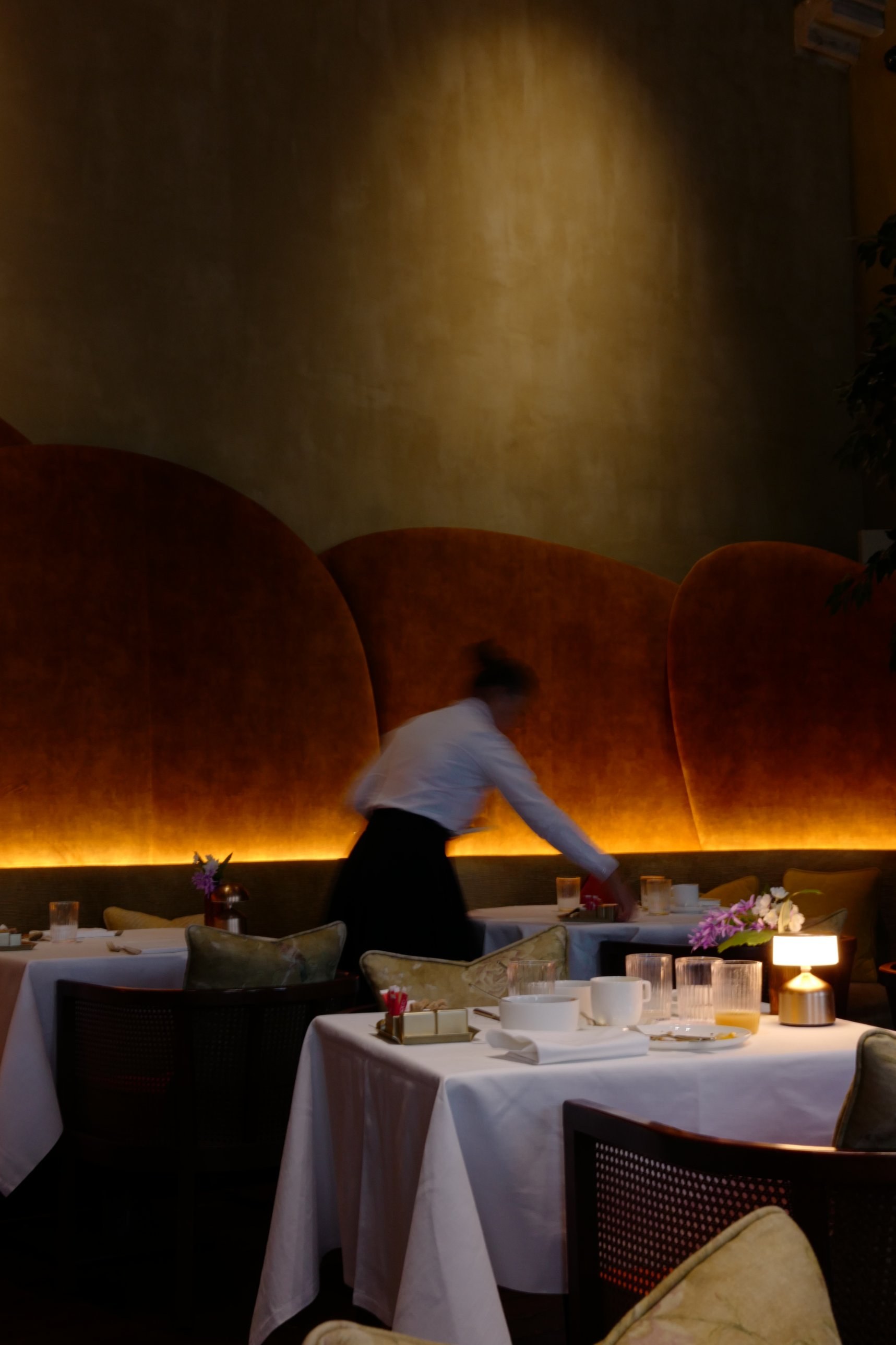
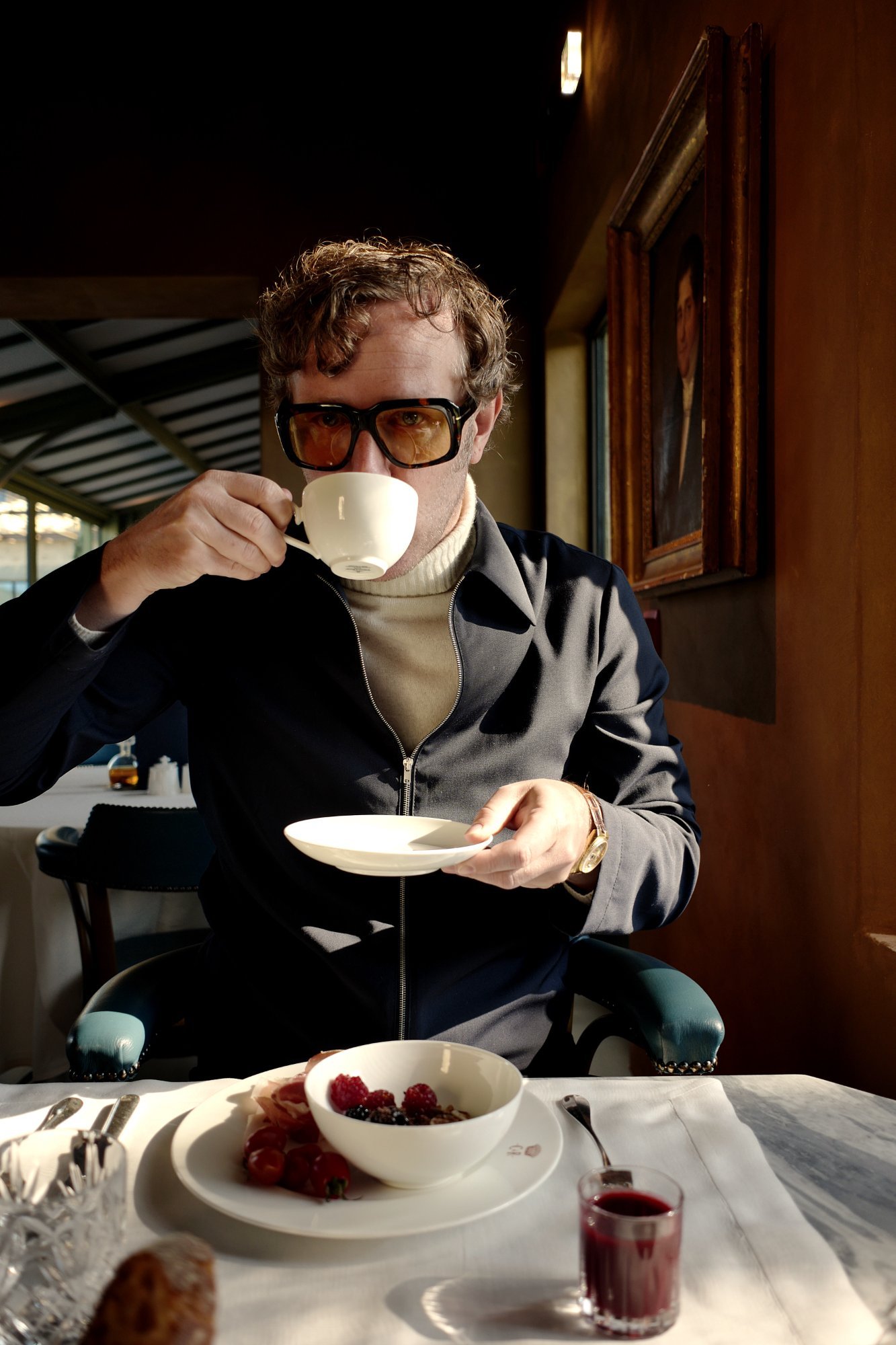
Breakfast is served in a vast hall, seven metres to the ceiling or so, and making a room that size feel intimate is an art in itself. Somehow they have managed it.
The buffet was organic and generous, and in Belgium it would have been rude not to finish with a waffle.
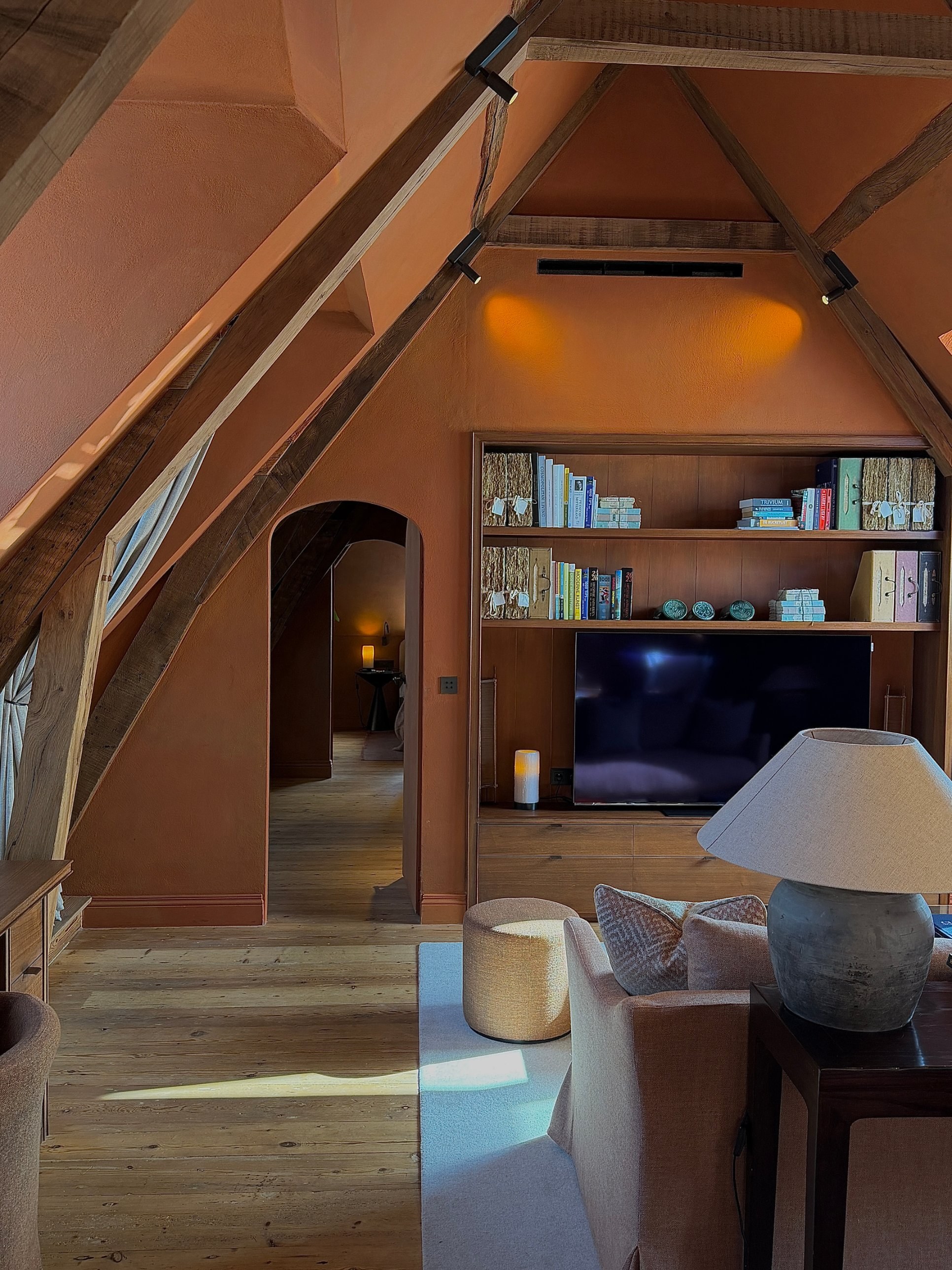
Coco asked whether we might see a few of the other rooms and suites. Her appetite for interiors is not easily satisfied. A wonderful man named Gaetan took us round, telling the history of the place with obvious pride.
It was the Botanic Suite that made Coco’s eyes open a little wider, if that was possible. The colours and the design looked like something she might have done herself, and I suspect she has already started.
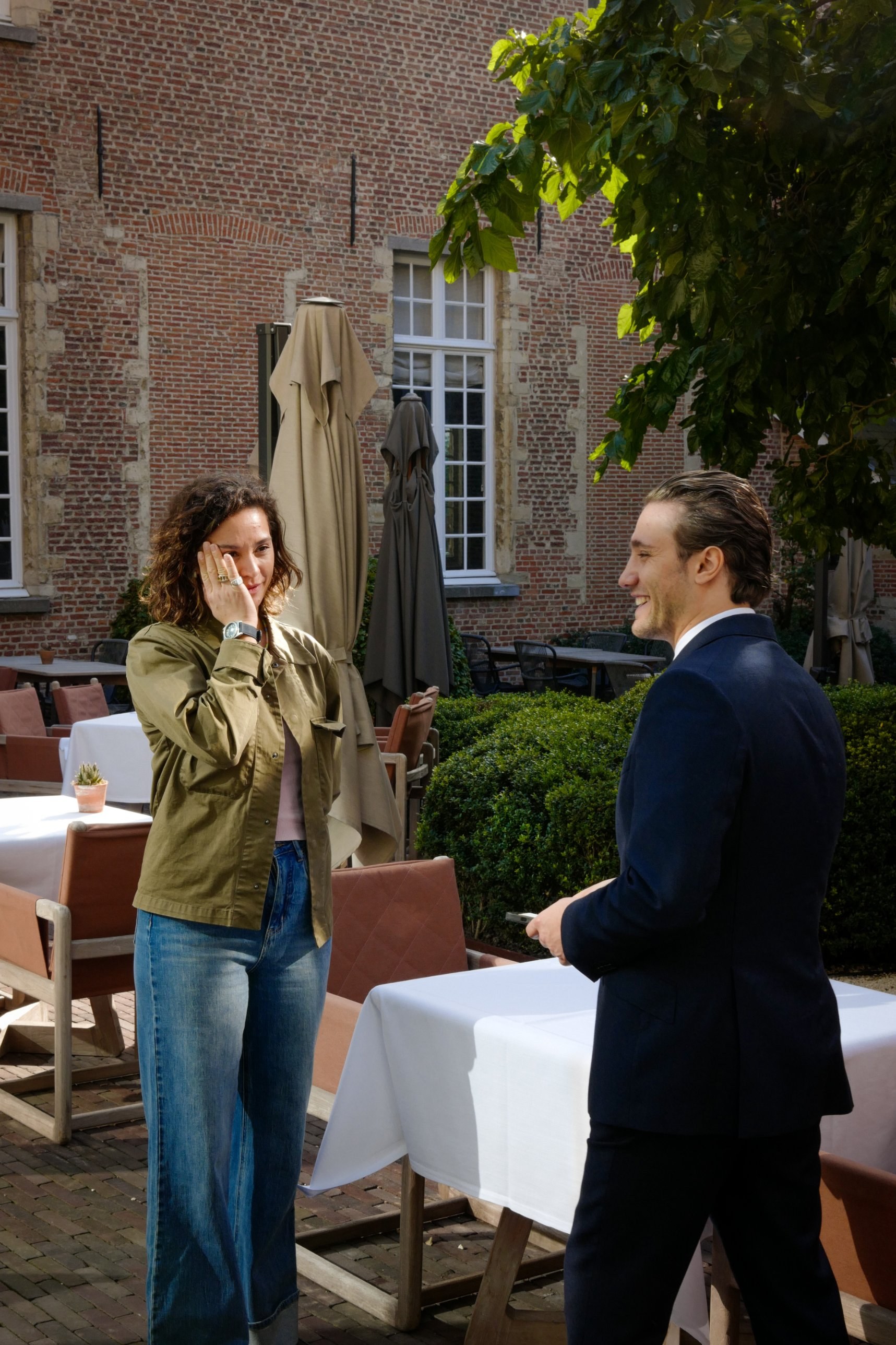
On the way back Gaetan picked a fig from one of the old trees and handed it over. It was hard not to think of the patients who were treated here when it was a hospital, and of what a garden like this must have meant to them.
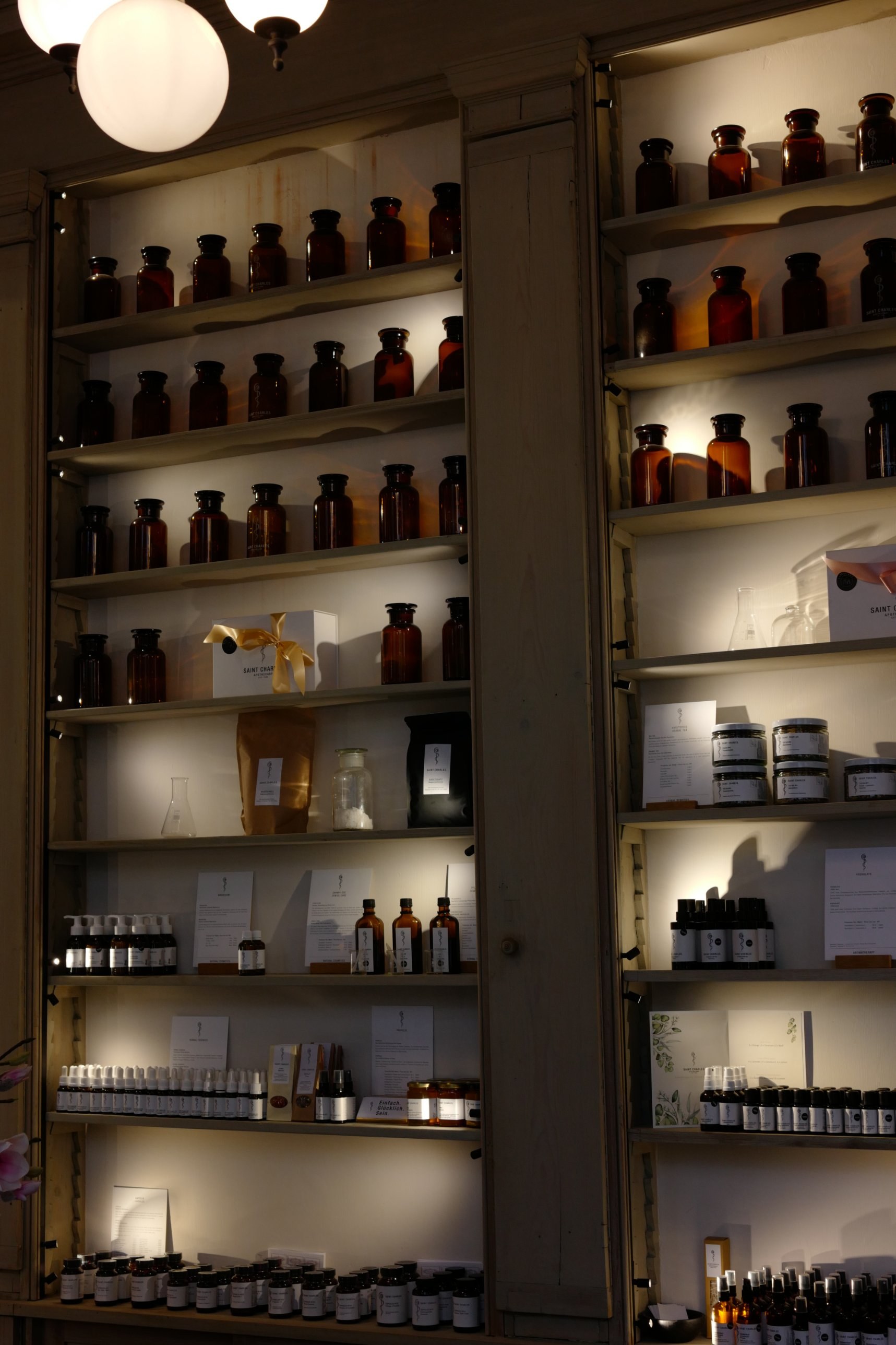
In the sixteenth century the pharmacist Peeter van Coudenberghe laid out a medicinal garden and an apothecary on the site. The apothecary, from the Victorian era, still stands almost untouched. The botanical garden next door has been protected since 1950.
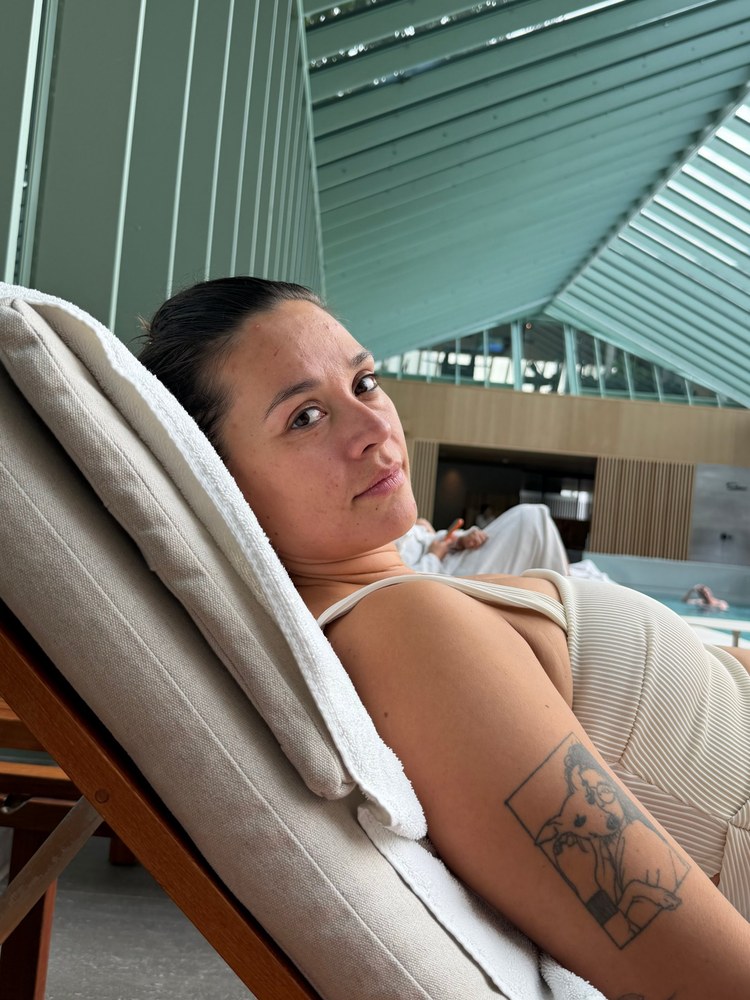
The spa sits in a new building, a glasshouse in the spirit of a winter garden, raised on the old garden wall of the orangery. It is a fine example of a hotel that has learned to join buildings from different centuries without apology.
Alongside the treatments there are health assessments, the longevity side of the menu. I booked an appointment with Xavier Le Clef, a man of more than one occupation. He trained in Traditional Chinese Medicine, is responsible for all the art in the hotel, and, as he explained it, now works with technology for preventive health. The diagnostic, as far as I understood it, reads the body through faint electrical signals and reports where things are not quite as they should be. He asked whether I suffered from headaches, or from overstimulation. No headaches, I said. But with toddlers at home, the second was not out of the question.
He laughed. “Makes sense.”
Very few hotels can say this: a guest could stay for weeks and still eat somewhere new every day. Hertog Jan holds two Michelin stars and Fine Fleur one. Bar Bulot is the easy brasserie, and Hidden Garden the new all-day restaurant, which in summer moves part of its kitchen out into the old monastery garden. Henry’s, named after Henri-Ferdinand van Heurck, the nineteenth-century director of the botanical garden, serves food too, and has a bar we will come back to. We did not make it to afternoon tea at The Gingerbread House, where the pastry is by Roger Van Damme, though nobody we met failed to mention it.
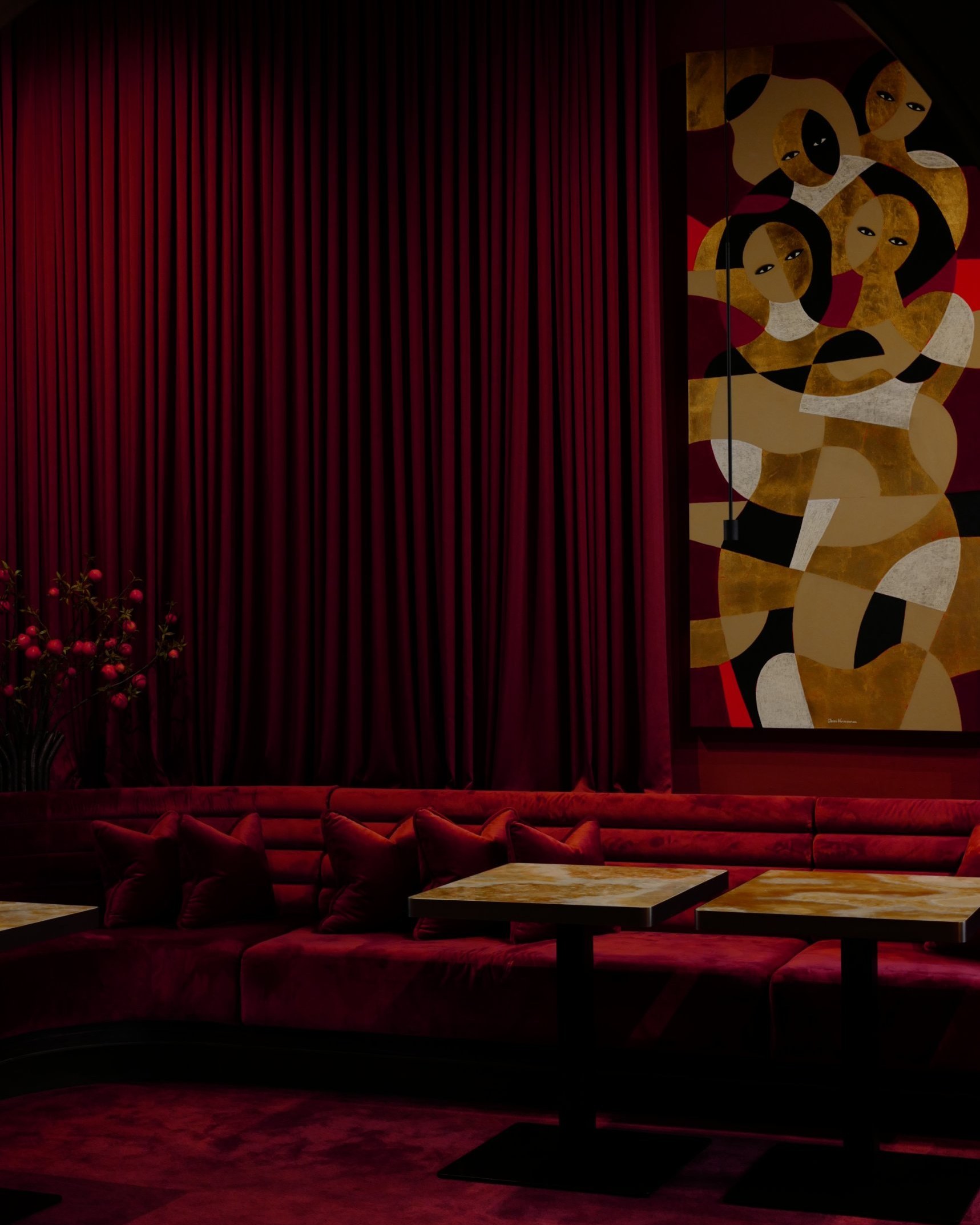
What we did have was dinner at Sanctus, the newest of them and open for about a month when we arrived. Yves Mattagne, who held two Michelin stars at Sea Grill in Brussels for more than twenty-five years, leads the kitchen with Charles Broutard.
There is one sitting a night and a single menu that changes every month, and the final touches are added at the table by the chefs themselves. The room is close and intimate. Mattagne is charming, with exactly the attitude a chef ought to have.
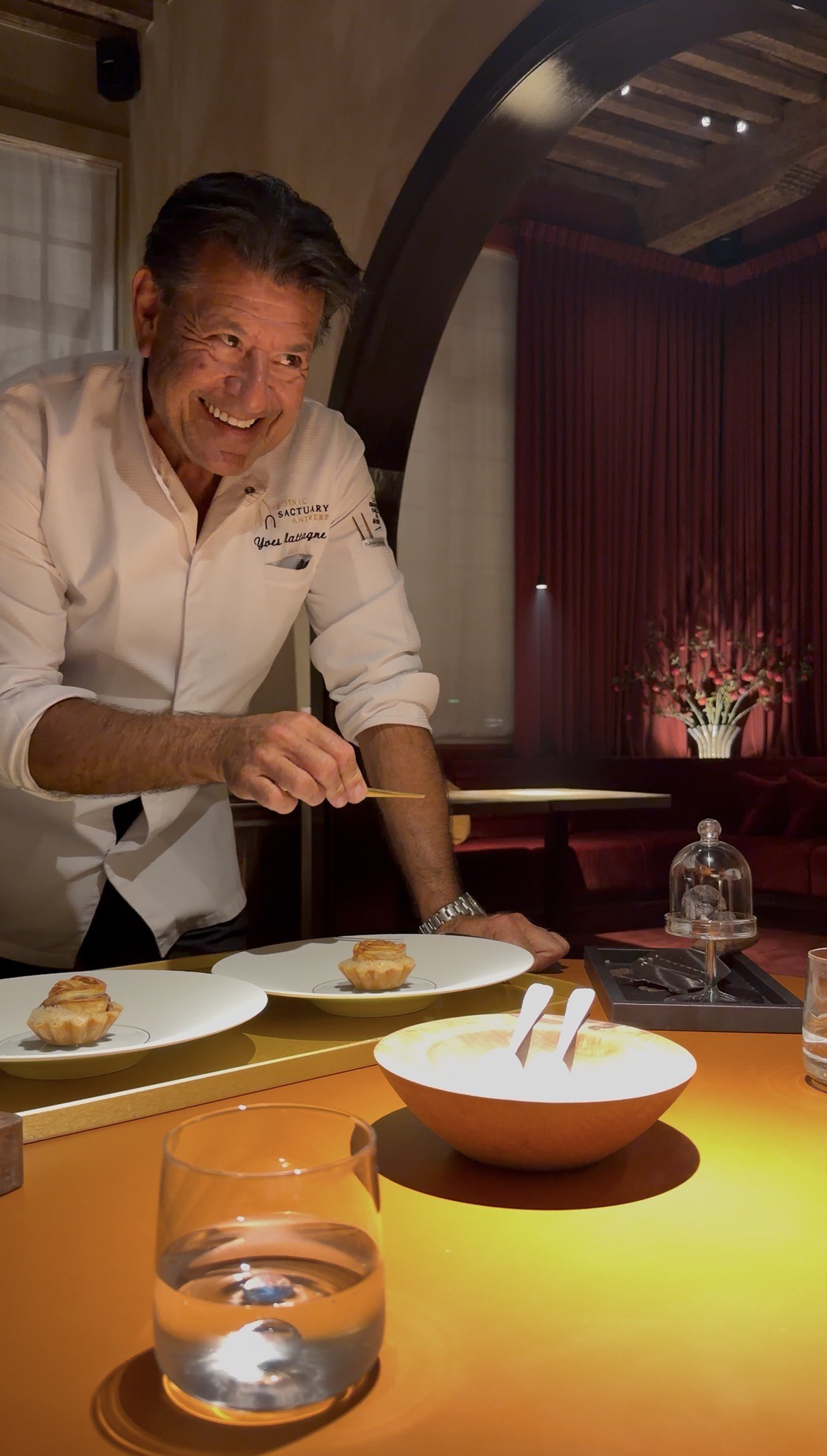
The flavours were remarkable. Between us we agreed, quietly, that it belongs in the same conversation as Noma. It would surprise us if Sanctus did not become the third restaurant in this hotel to earn stars. Anyone who likes to arrive before the crowd should make the trip for Sanctus alone, and soon.
Go to Sanctus now, before the stars arrive. Afterwards, everyone will say they knew.

On the third day the hotel asked whether we would like to see something unusual, and arranged a tour behind the scenes of the city’s diamond trade. It began at the diamond exchange at Hoveniersstraat 51: high security, almost no exterior. We have rarely seen a less glamorous building, which is interesting, given what passes through it. The exchange is where the trade keeps its bureaucracy. Every other part of the business works in the buildings around it.
Ilana showed us round. She has fought her way up in a closed world, and she spoke about both the darker chapters the trade works against and the traditions it is proud of. In the building next door we were even allowed to try polishing a diamond ourselves. It is the opposite of flashy: old, exacting craft, and utterly absorbing.
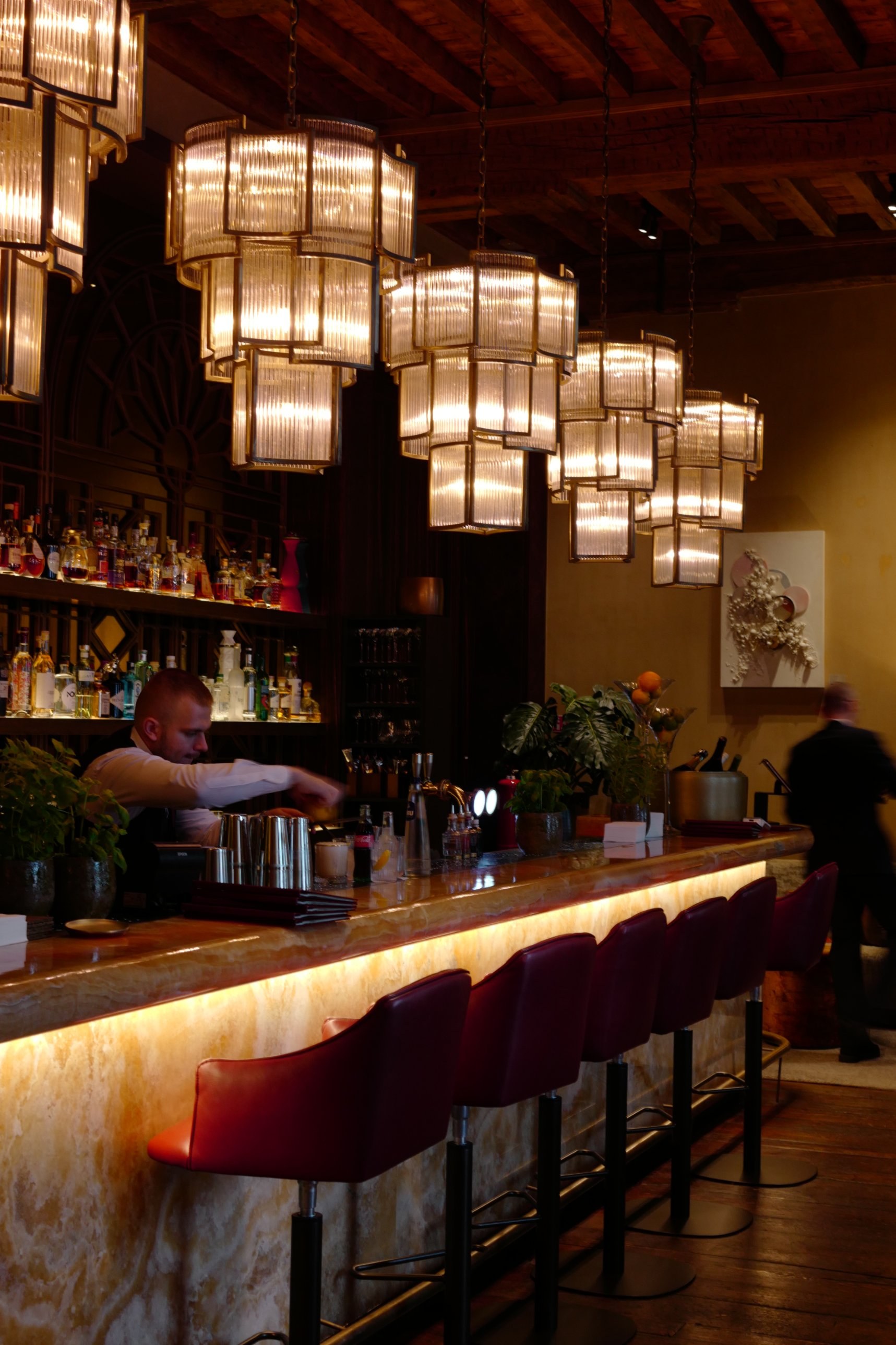
Before we left, we took a last drink at Henry’s. The interior is by Dieter Vander Velpen, and it is a decadent room, with corners for quiet conversation and stools for a longer one with the bartenders, around a counter worth the detour on its own. We took a corner.
“What an absolute surprise of a trip,” Coco said. We did not know Antwerp before. Now we are friends.
Botanic Sanctuary is, quite simply, a diamond in the diamond city.
— Mr. Kim
(overstimulated, but only slightly)